Banana rum and banana liqueur: check the bottle before you swap
By Alex Lynch
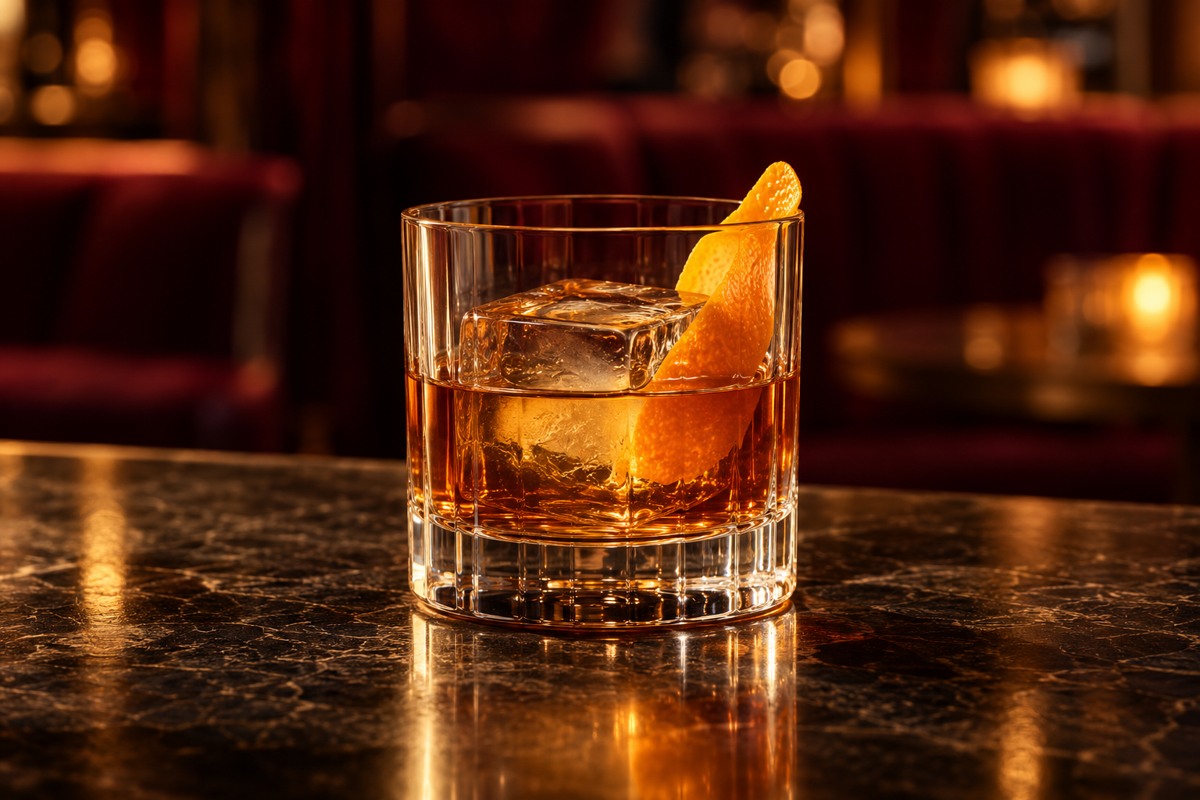
Two bottles can both say banana and still do quite different jobs in a cocktail. That is the bit I would check before swapping one for the other. The fruit flavour is only part of it. The base, sweetness and strength matter as well.
If a recipe names a particular bottle, there is usually a reason. You can experiment, of course, but a different banana drink can change more than you expected. It is worth knowing what you are changing.
Start with what is actually in the bottle
A banana-flavoured rum or spirit and a banana liqueur are useful in different ways. A liqueur commonly supplies sweetness as well as flavour. A flavoured spirit can supply more of the alcoholic base. There is overlap, though: a rum-based drink can also be sweet. I would not judge either bottle from the word banana alone.
The producers' descriptions make the differences clearer. These are their product details, rather than the results of a side-by-side tasting.
| Bottle | What the producer tells us | What to check when mixing |
|---|---|---|
| Discarded Banana Peel Rum | A Caribbean rum base blended with banana-peel extract; listed at 37.5% ABV. | Keep its rum base and sweetness in mind. It is the named bottle in the original Banana Bourbon Old Fashioned. |
| Cornish Rock Banana Blast | Described as Caribbean white spirit with spices and bananas, with a sweet finish. | Use the strength on your own bottle. Do not assume its sweetness or strength matches Discarded. |
| Giffard Banane du Brésil et des Caraïbes | A banana liqueur made with macerated bananas and a touch of Cognac; listed at 25% ABV. | Follow a recipe written for banana liqueur. The same volume will not supply the same alcohol as a 37.5% bottle. |
The recipe tells you what job it is doing
Look at the other ingredients. If banana rum sits alongside whiskey in an Old Fashioned variation, it contributes part of the spirit mixture. If banana liqueur appears in a smaller measure alongside rum, lime and syrup, it is doing a different job within that recipe.
For example, the published Breakfast Mai Tai on Pour & Plan contains banana liqueur, rum, lime, orgeat and cinnamon syrup. Replacing the liqueur with banana rum changes that combination. It is an experiment, rather than a guaranteed like-for-like swap.
Two banana Old Fashioneds, with different bottles
The Banana Bourbon Old Fashioned uses 40 ml Jack Daniel's, 25 ml Discarded Banana Peel Rum and its original 1–2 squirts of syrup, with orange, Angostura and Aphrodite bitters. That syrup range has no fixed millilitre equivalent.
The Cornish Banana Bourbon Old Fashioned has its own specification: 45 ml Buffalo Trace, 20 ml Cornish Rock Banana Blast and 5 ml of 1:1 syrup, with a different balance of the same three bitters. Both recipes stay available because they are separate combinations.
What I would do with a different bottle
- Check whether the recipe asks for rum, a flavoured spirit or a liqueur, then read your bottle's label and producer description.
- Find a recipe written for that ingredient where possible. Banana syrup is another ingredient again; it should not silently replace either alcoholic bottle.
- If you do try a substitution, mix one serving first. Chill and dilute it using the stated method before judging the balance.
- Change one thing at a time and record it. Do not immediately change the syrup, citrus and bitters together, or you will struggle to work out what helped.
The ingredient finder keeps banana rum and banana liqueur separate. Start with the bottle you have, open the full recipe, then use the batch calculator once you know which version you want to make. There is no need to commit to a whole jug while you are still working out the balance.
Sources and bottle information
- Discarded: Banana Peel Rum product information · checked 2026-11-04
- Cornish Rock: Banana Blast product information · checked 2026-11-04
- Giffard: Banane du Brésil et des Caraïbes product information · checked 2026-11-04
Written for Pour & Plan by Alex Lynch, with AI assistance for research and drafting. Personal tasting is only claimed where it has been recorded.